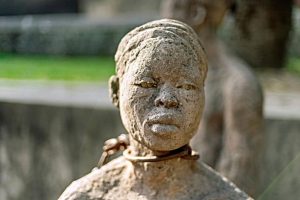
The Pan African Centre for Cultures and Language (PACCL) issued a profound global appeal for comprehensive reparatory justice for the slave trade. This call, made on the International Day for the Remembrance of the Slave Trade and its Abolition, transcends a mere request for charity, positioning reparations as an essential demand for justice. The timing of this message is deeply symbolic, marking the anniversary of the uprising that ignited the Haitian Revolution, a pivotal moment in history when enslaved Africans in Saint-Domingue, now Haiti, launched a revolt on the night of August 22, 1791, that reshaped the global fight for freedom and human rights.
Dr. Lang Fafa Dampha, Executive Director of PACCL, emphasised that the legacy of slavery remains deeply embedded in the modern world. This legacy is evident in persistent economic inequalities, systemic racism, and the intergenerational trauma experienced by African and diaspora communities. The International Day serves as a solemn remembrance, a sacred covenant with ancestors, calling on humanity to confront the brutal history and ongoing repercussions of slavery.
PACCL’s call moves beyond mere remembrance and commemorative gestures; it outlines a detailed and holistic framework for reparations. This framework is rooted in a comprehensive, restorative process designed to address centuries of exploitation and injustice. Reparatory justice, according to PACCL, involves multiple critical components.
First, the Centre demands formal apologies from all states and institutions complicit in slavery’s crimes. These apologies must acknowledge the severity of the atrocities and accept responsibility for their enduring consequences. Second, the Centre calls for truth-telling, advocating for a fundamental reform of global education systems. This reform would correct distorted historical narratives and celebrate the resilience, contributions, and humanity of African peoples, countering centuries of erasure and misrepresentation.
A further essential demand is the repatriation of cultural artifacts and ancestral remains stolen from African communities and held in foreign museums. These items are described as sacred pieces of cultural identity, vital to the healing and restoration of dignity. In addition, PACCL calls for the cancellation of crippling debts imposed on African and diaspora nations, alongside targeted investments in critical sectors such as health, education, and infrastructure.
Institutional reform is also a cornerstone of the reparatory justice framework. PACCL urges the dismantling of systemic racism embedded within legal, economic, and international institutions, systems that continue to reflect colonial hierarchies and perpetuate inequalities.
In acknowledging the complex history of the transatlantic slave trade, PACCL recognises the involvement of some African intermediaries and the persistence of modern slavery. However, it is clear that such complexities should not diminish the primary responsibility held by European powers and certain segments of the Arab world, who orchestrated, financed, and industrialised the vast systems of human exploitation. Dr. Dampha highlights the importance of global precedents, such as reparations to Holocaust survivors and land restitutions to Indigenous peoples, as evidence that the passage of time does not erase moral obligations.
PACCL’s statement concludes with a powerful call to action: to move from remembrance to reparation, from grief to justice, and from trauma to transformation. By framing reparations not as a historical footnote but as a necessary pathway toward a just future, PACCL challenges the international community to translate principle into tangible, transformative action. The Centre’s appeal underscores the urgency of political will to ensure that the cry for freedom, first voiced centuries ago, continues to resonate in the corridors of power today.